There comes a point in the home-search process when too many site visits, broker calls and property brochures begin to offer more confusion than clarity. Prices, floor plans, locations and possession timelines start competing for attention, while the bigger question gets overlooked: what kind of home actually works for you?
For anyone looking to buy or rent in Mohali, the city needs to be assessed beyond individual projects and sales pitches. Its residential market has changed considerably in recent years, with new housing corridors, improving infrastructure and a growing population reshaping where people choose to live.
Mohali Has Changed, and So Has Its Housing Market
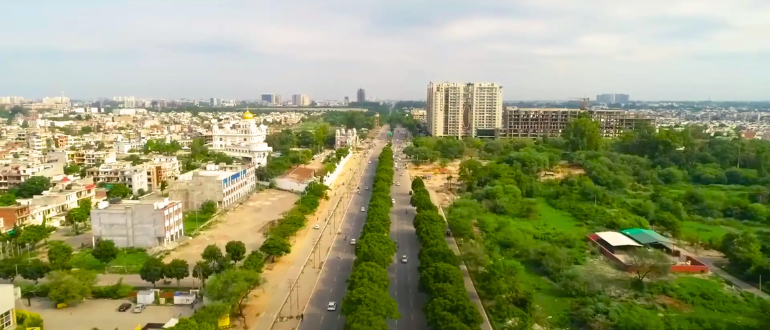
Mohali today is markedly different from the city of five years ago. The IT corridor has matured, infrastructure has improved and several previously underdeveloped sectors now have better roads, schools, markets and everyday services.
Residential development has also expanded, bringing a wider choice of apartments, independent floors and gated communities. The city has attracted residents from across Punjab as well as from other parts of the country, adding to demand for both rental and ownership housing.
Its biggest advantage remains its proximity to Chandigarh. But Mohali is no longer simply an extension of its better-known neighbour. It has developed a stronger commercial and social ecosystem of its own, allowing residents to meet most everyday needs within the city.
That distinction is important for homebuyers. A property in Mohali today is not simply a cheaper alternative to Chandigarh. For many buyers, it is a decision to live in a city that has developed its own residential and economic identity.
Start With Your Lifestyle, Not Your Budget
The first question buyers usually ask is simple: what can I get for my budget? It is an important question, but it should not be the starting point.
A better place to begin is with the kind of life you want the property to support. Mohali's different residential pockets offer distinctly different living environments, and choosing between them can have a bigger impact on daily life than the difference between two similarly priced homes.
A managed apartment in a gated community close to the IT corridor, for instance, offers a very different lifestyle from an independent floor in a quieter residential sector.
Commute is another major consideration. Families may want to prioritise proximity to schools and established neighbourhoods, while younger professionals may place greater value on access to workplaces, restaurants and social infrastructure. Maintenance is another dividing line. Some buyers prefer the convenience of a managed society, while others want greater control over their own property.
These decisions should ideally be made before the property search begins. They immediately narrow the market and make site visits more productive.
Where Are Buyers Looking?
Mohali's sector-based layout makes it relatively easy to understand the broad residential landscape, although each micro-market has its own character.
The Sector 66-74 belt has emerged as an important IT and residential hub. Its connectivity and proximity to employment centres have made it particularly attractive to working professionals, while housing in the area generally commands a premium for that convenience.
Kharar, although outside Mohali's municipal limits, has become closely linked to the wider Mohali housing market. The area continues to attract buyers looking for larger homes at relatively accessible prices. Its social infrastructure has also improved, making it a more established residential destination than it was a decade ago.
The Aerocity corridor is another area attracting attention. Development around the airport and the expansion of commercial activity have strengthened interest in the wider corridor, particularly among buyers taking a longer view of the market.
Meanwhile, Sectors 70-80 offer a more established residential environment. With access to everyday amenities and relatively settled neighbourhoods, these sectors continue to appeal to families looking for a balance between location, infrastructure and affordability.
Should You Buy or Rent?
There is no universal answer, and the right choice depends largely on how long you expect to stay and how certain you are about the location.
Renting can be the more sensible option for people who are new to Mohali and have not yet decided which part of the city suits them. It also works for professionals on temporary assignments or buyers who want more time to assess the market before committing their savings to a property.
A year of living in a neighbourhood can reveal things that property brochures and site visits cannot: traffic at peak hours, noise levels, water supply, local markets, parking and how convenient the area actually feels on a weekday.
Buying becomes more compelling when income is stable, the preferred location is clear and the buyer expects to stay for several years. A three-to-five-year horizon is often a more practical way to assess a purchase than treating property as a short-term trade.
That distinction is particularly relevant in Mohali. The market is better suited to buyers who are willing to take a longer view than to those looking for quick gains from flipping properties.