Chandigarh, Ambala, Karnal & Panipat: How Connectivity Is Influencing Property Demand
When people compare towns for a home, the first question is often simple: how easily can I get from here to where I need to be? In northern Haryana, that question has shaped the Haryana real estate market more than almost any other factor. Chandigarh, Ambala, Karnal and Panipat sit along one connected route, and their housing demand reflects how well that route works.
The Road and Rail Backbone
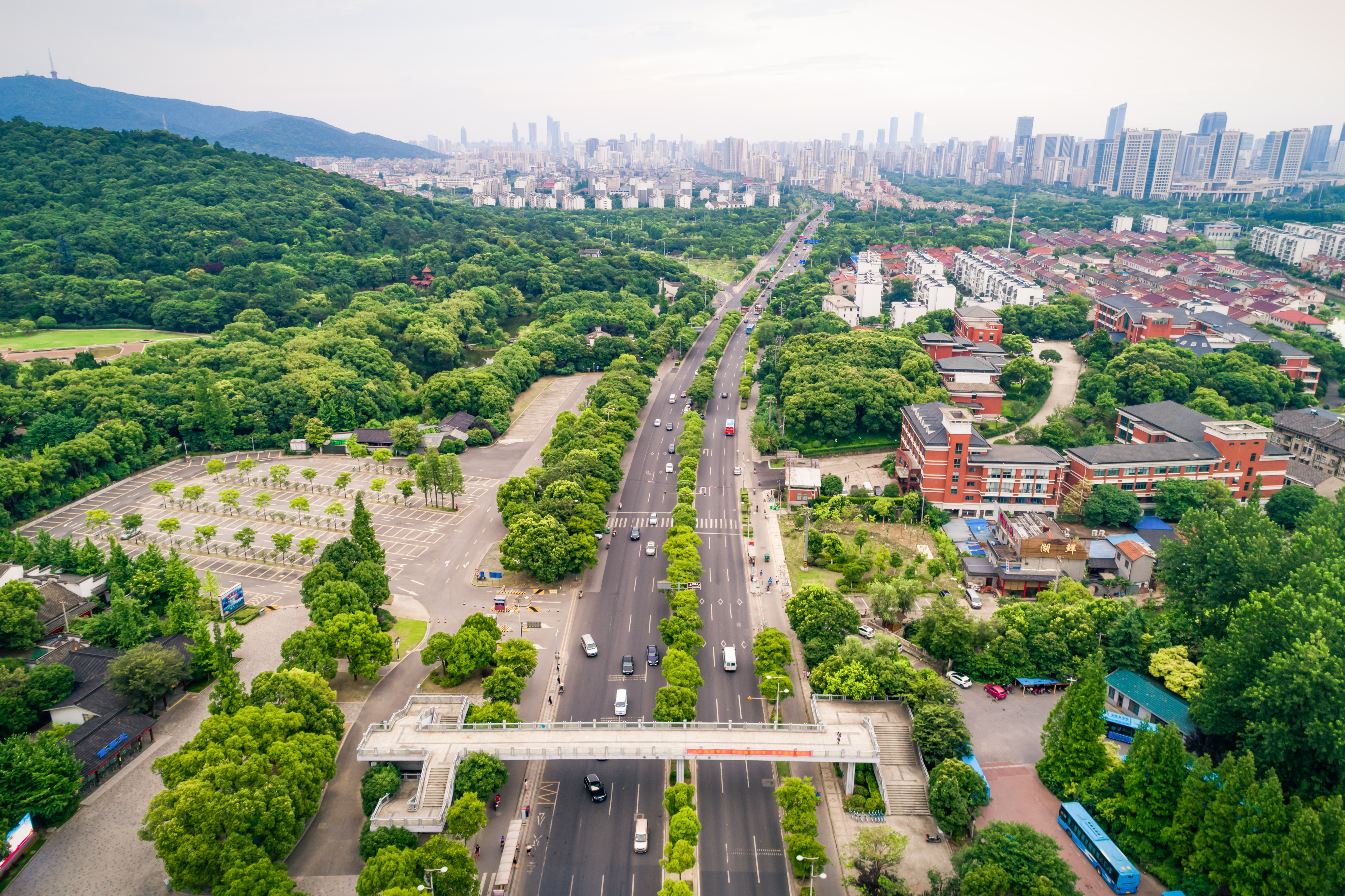
Chandigarh links to Ambala by road and rail. From Ambala, the Grand Trunk Road (NH44) runs south through Karnal and Panipat towards Delhi, while the main railway line follows a similar path. This shared route makes travel between the four cities fairly practical, whether for work, studies, business or family visits. Housing demand tends to follow this kind of reliability.
How Each City Fits In
Chandigarh
As a planned city with limited land, Chandigarh pushes many buyers to look at its surroundings. Those exploring property in Chandigarh often compare it with Tricity neighbours and with towns further down the highway, depending on budget and lifestyle needs.
Ambala
Ambala is where the road and rail lines from Chandigarh meet the Delhi route. Its cantonment, trade activity and railway junction give it a steady local demand base. Property in Ambala is often considered by people who want access to both Chandigarh and the capital region.
Karnal
Karnal combines education, agriculture-linked business and planned sectors. Highway access makes it practical for families who travel regularly. Property in Karnal appeals to buyers who want a calmer setting without feeling cut off.
Panipat
Panipat's textile and industrial base creates its own housing need, from working professionals to business owners. Being closer to the capital region also makes property in Panipat relevant to people who commute or do business across state lines.

Why Connectivity Shapes Demand
Good links widen the choices a household has. Someone working in Delhi NCR may not want to live there, but a town with fast rail access becomes a realistic option. This is why Delhi NCR real estate trends often influence interest in neighbouring Haryana towns, even though each market moves at its own pace.
Connectivity also supports schools, hospitals, shops and local jobs, which in turn make an area more liveable. That cycle of improved access and growing services is what usually drives urban expansion.
Check Beyond the Highway Frontage
A property near a highway is not automatically a good one. Look at noise, access roads, drainage, water and power supply. The investment hotspot section can help you explore localities worth visiting, and the transaction safety guide is useful before you finalise any deal.
Connectivity opens doors, but a sound decision still rests on documents, location details and your own needs.
Frequently Asked Questions (FAQs)
1. How does connectivity affect property demand?
Better road and rail links shorten travel time and widen housing choices, which can increase interest in well-connected areas. Outcomes vary by location and cannot be guaranteed.
2. Which cities lie along the Chandigarh–Delhi route?
Ambala, Karnal and Panipat are the main Haryana cities along the route, with Kurukshetra and Sonipat also nearby.
3. Why is Ambala important for connectivity?
Ambala is a key junction where routes from Chandigarh meet the highway and rail line leading to Delhi.
4. Is highway-facing property always a good choice?
Not always. Consider noise, access, utilities and legal clearances along with the location.
5. What should buyers verify before purchasing?
Confirm RERA registration, title documents, approvals and the actual status of the project or plot.